
The Influence of Space and Layout
The design of a casino is intrinsically linked to the psychology of spatial awareness and flow. Architects and designers meticulously create layouts that encourage exploration, featuring winding pathways and open spaces that lead players deeper into the environment. This intentional design choice prevents patrons from easily finding their way out, making them more likely to stay engaged and continue gaming. Additionally, those seeking optimal gameplay often turn to sites offering an instant withdrawal casino uk experience, which enhances their overall satisfaction. The strategic placement of gaming machines and tables cultivates an atmosphere of engagement, ensuring that players are consistently exposed to a variety of options and potential wins. This method not only maximizes the time spent by players but also enhances the overall gambling experience.
Moreover, the absence of clocks and windows plays a pivotal role in manipulating players’ perception of time. Without these indicators, individuals may lose track of how long they have been gambling, further anchoring them in the experience. This distortion of time is amplified by the combination of sounds, lights, and the overall excitement that permeates the casino atmosphere. The result is an immersive environment where players feel detached from the outside world, leading to longer visits. This psychological manipulation is a fundamental aspect of casino design, as it directly contributes to the financial success of the establishment.
In addition to keeping players engaged, the layout often incorporates distinct zones or sections dedicated to various gambling experiences. High-stakes areas are typically sequestered from more casual spaces, creating an aura of exclusivity. This separation not only caters to different demographics but also helps manage the emotional experiences of players. By design, these areas induce feelings of tension and anticipation—essential components that enhance the overall gambling experience. The carefully considered spatial design ultimately shapes how players interact with the casino environment, making it a critical factor in the psychological influence of gambling.
The Role of Colors and Lighting
The psychology of color significantly impacts casino design, influencing emotions and behaviors in subtle yet profound ways. Warm colors like red and yellow are commonly employed in gambling environments, as they evoke feelings of excitement, warmth, and urgency. These colors stimulate a desire for risk and adventure, aligning perfectly with the thrill of gambling. Designers select hues that resonate with their target audience, ensuring that the ambiance corresponds with the emotions they wish to evoke. For instance, cooler colors might be used in areas designated for relaxation, contrasting sharply with the vibrant hues in gaming zones.
Lighting also contributes to the psychological atmosphere within a casino. Bright, vibrant lighting draws attention to key gaming areas, creating an energetic ambiance. In contrast, softer lighting may be deployed in rest areas to promote relaxation and social interaction among players. This strategic manipulation of lighting not only enhances a player’s emotional experience but also encourages further gambling. The flickering lights of slot machines can generate a sense of excitement and anticipation, enticing players to try their luck repeatedly, which ultimately increases their time spent in the casino.
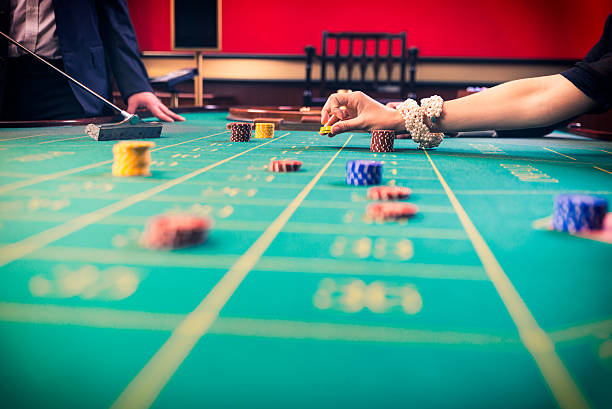
Furthermore, the interplay between colors and lighting leads to an almost hypnotic effect on players. This sensory stimulation can create a sense of euphoria, blurring the lines between reality and fantasy. Casinos aim to create an inviting yet exhilarating environment, and the careful orchestration of these elements ensures that players remain fully immersed in the experience. By understanding and leveraging psychological and emotional responses, designers enhance the overall appeal of casinos, encouraging repeat visits and prolonged gaming sessions that significantly impact their profitability.
Sound and Its Psychological Impact
The auditory landscape of a casino plays a vital role in shaping the overall experience and influencing player behavior. The sounds of slot machines, the clinking of coins, and the cheers from winning tables coalesce to create an exhilarating atmosphere. This sound design is intentionally crafted to reinforce the excitement of gambling, encouraging players to feel joy and anticipation with each spin or roll. The repetitive nature of these sounds can even create an addictive quality, as players begin to associate them with winning and positive reinforcement, which then propels them to continue playing.
Beyond individual sounds, the overall soundscape is carefully curated to maintain a rhythm within the casino. Background music can be strategically played to enhance the emotional experience, creating a comfortable yet stimulating environment. Research shows that music has the power to influence time perception and emotional states, making it a valuable tool for casinos to manage player engagement. The right tempo and genre can elevate excitement levels, encouraging players to stay longer and engage more deeply in their gambling endeavors, which is essential for the casino’s profitability.
Furthermore, sound cues serve as a form of signaling within the casino space. Winning sounds, for example, are designed to be loud and jubilant, creating a social proof effect. When other players hear the sounds of success, they are often motivated to join the action, creating a viral effect of excitement. This phenomenon can lead to an increase in participation across gaming tables, as players are drawn to the contagious energy of winning. By exploiting the power of sound, casinos effectively enhance the gambling experience, leading to increased time spent and money wagered, which directly impacts their bottom line.
Creating a Social Environment
The design of casinos plays a crucial role in fostering social interaction and community among players. The layout typically encourages gathering, with open spaces and communal areas that invite socialization. This design strategy acknowledges the innate human desire for connection and the role social interaction plays in gambling behavior. Casinos capitalize on this by creating environments where players can share experiences, celebrate wins together, and engage with one another, thus enhancing the overall experience. This social aspect is integral to the casino’s appeal and can significantly influence customer loyalty.

Additionally, features like bars, lounges, and restaurants are often integrated into casino designs, providing players with social hubs. These areas encourage players to take breaks, relax, and interact with friends, which can lead to longer engagement times within the casino. The presence of food and beverages can create a more leisurely gambling experience, further enticing patrons to extend their stay. This social element is not merely an incidental aspect of design but a strategic component that enhances player satisfaction and loyalty to the establishment.
Moreover, casinos frequently host events, performances, and tournaments to cultivate a sense of community among players. By doing so, they create an environment where individuals feel they are part of an exclusive group, which can significantly boost player loyalty. This sense of belonging, combined with the excitement of gambling, can lead to repetitive visits and stronger emotional attachments to the casino itself. By designing spaces that celebrate social interaction, casinos not only enhance the gaming experience but also build lasting relationships with their customers, which is crucial for sustaining business in a competitive market.
Understanding Casino Websites for Enhanced Engagement
As the gambling industry evolves, so too does the importance of online casinos and their design. The principles applied to physical casinos extend to digital platforms, where user experience and psychological engagement remain paramount. Web design for online casinos must carefully consider aspects such as layout, color schemes, and sound effects that mimic the lively atmosphere of a physical location. A well-structured website can entice users to explore and engage with various games, replicating the immersive experience of in-person gambling while offering the convenience of online access.
Online casinos often utilize gamification elements to keep players engaged, such as leaderboards, challenges, and reward systems. These features are designed to evoke feelings of achievement and competition, encouraging players to return to the site regularly. Just as physical casinos rely on environmental design to attract and retain patrons, online platforms leverage technology to create a compelling virtual experience. This digital transformation has made it easier for players to enjoy gambling from the comfort of their homes, making the psychological aspects of design even more critical to their success.
Moreover, the incorporation of live dealer games in online casinos provides players with an authentic feel reminiscent of traditional gambling experiences. Utilizing video streaming technology, these games create an interactive atmosphere, allowing players to connect with live dealers and other participants. This blend of digital and physical elements enhances engagement, making online casinos a thriving alternative to brick-and-mortar establishments. Understanding the nuances of casino website design can significantly impact player retention and overall satisfaction, ensuring that virtual casinos continue to thrive in a competitive landscape.